
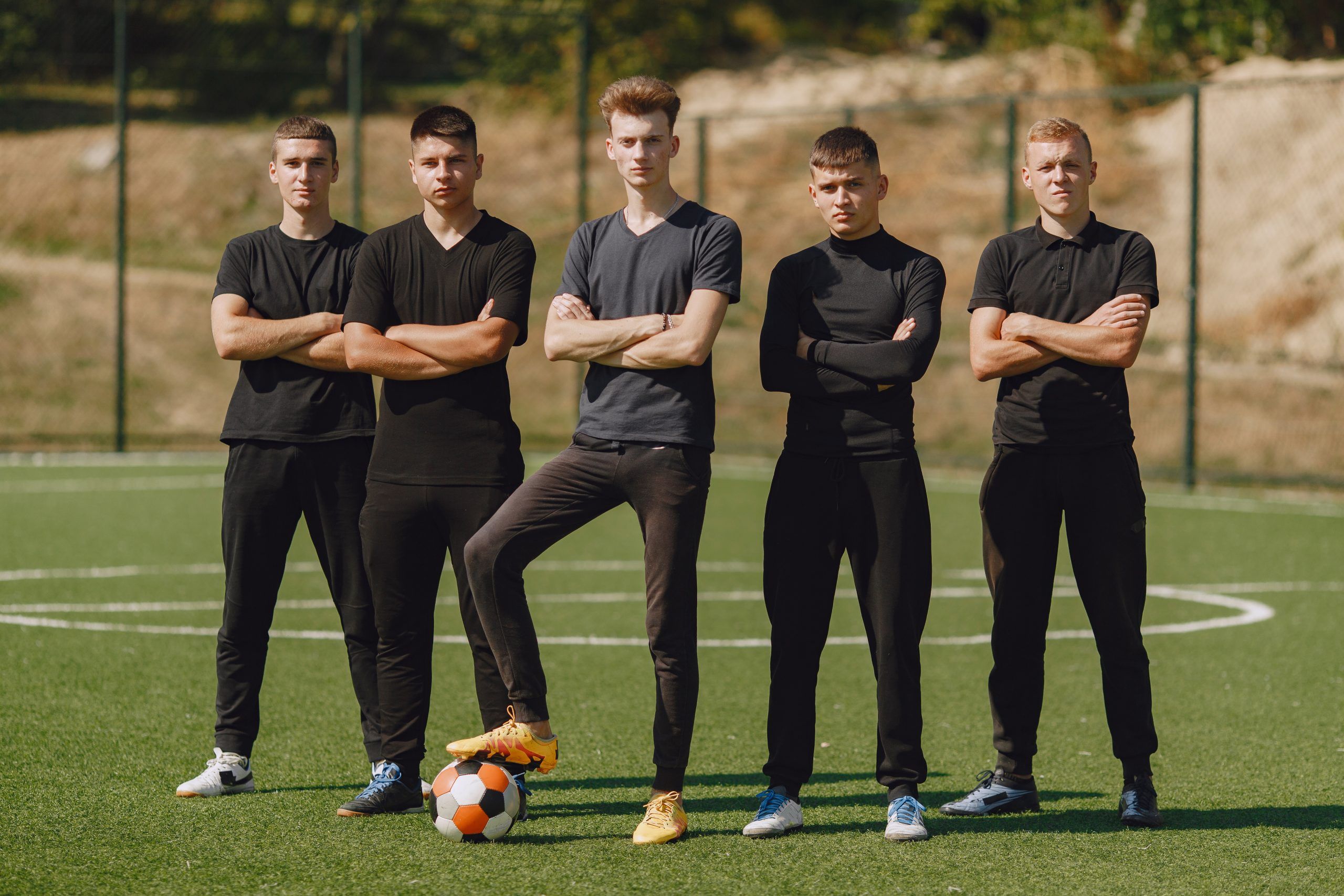
Team sports represent a unique dimension of athletics, combining individual skill with collective strategy, coordination, and cohesion. Unlike individual competitions, success in team sports depends not only on personal performance but also on effective collaboration, communication, and tactical execution. Over time, team sports have evolved through innovations in coaching, training, strategy, and technology, elevating competitiveness and shaping the dynamics of modern athletic competition.
The foundation of team sports lies in understanding roles and responsibilities. Each participant contributes specific skills, strengths, and knowledge to the collective effort. Effective teams leverage individual talents to complement one another, creating synergy that enhances overall performance. Coaches play a pivotal role in defining roles, establishing expectations, and fostering an environment where each athlete can contribute optimally while supporting teammates in achieving shared objectives.
Strategy is a core component of success in team sports. Tactical planning involves analyzing opponents, identifying strengths and weaknesses, and developing game plans that maximize the team’s competitive advantage. Strategy extends beyond individual plays, encompassing positioning, timing, transitions, and adaptation to evolving circumstances. Teams that excel strategically can anticipate challenges, exploit opportunities, and maintain flexibility under pressure, ensuring sustained competitiveness in diverse situations.
Communication and coordination are critical for effective teamwork. Verbal and non-verbal cues, signaling systems, and shared understanding allow teams to synchronize actions and respond cohesively. In high-pressure scenarios, seamless communication enhances decision-making, reduces errors, and reinforces trust among team members. Developing strong interpersonal relationships within a team contributes to cohesion, motivation, and resilience, directly impacting performance outcomes.
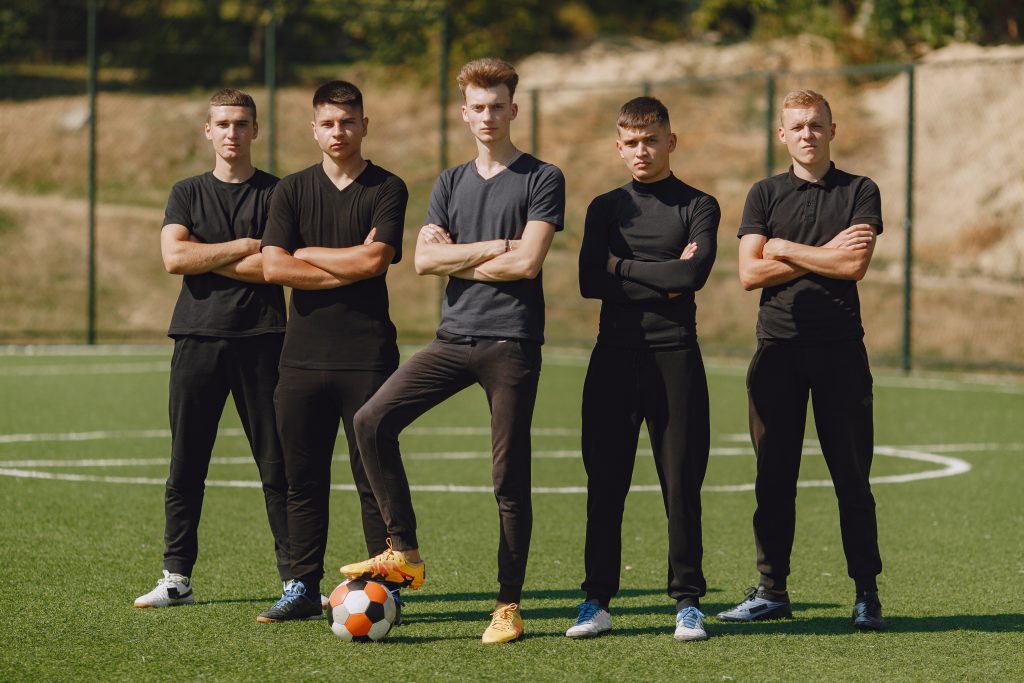
Training and preparation in team sports emphasize both individual development and collective integration. Athletes refine technical skills, physical conditioning, and mental resilience while simultaneously practicing coordination, timing, and tactical execution as a unit. Drills, simulations, and scenario-based exercises cultivate shared understanding and adaptability, ensuring that the team functions effectively in real-game conditions. Balanced preparation strengthens both personal abilities and collective performance.
Technology has transformed the way teams analyze performance and strategize. Video analysis, wearable sensors, and real-time data provide insights into movement patterns, player efficiency, and tactical execution. Coaches and analysts can evaluate performance, identify trends, and adjust strategies dynamically. Technology enhances decision-making, optimizes training programs, and supports evidence-based coaching, contributing to higher levels of competitive excellence.
Team dynamics influence both performance and morale. Leadership within the team, whether formal or informal, shapes culture, accountability, and motivation. Conflict management, mutual respect, and shared objectives foster a positive environment that supports high performance. Teams with strong cohesion demonstrate resilience under pressure, recover quickly from setbacks, and maintain consistent results, reflecting the importance of interpersonal dynamics in achieving success.
Adaptation and innovation drive the evolution of team sports. Changes in rules, strategies, and competitive formats encourage creativity, experimentation, and refinement of techniques. Successful teams adopt innovative approaches to training, in-game tactics, and player utilization, often setting trends that influence broader competitive landscapes. This continuous evolution ensures that team sports remain dynamic, challenging, and compelling for both participants and spectators.

Mental preparation is equally essential in team sports. Athletes must maintain focus, manage stress, and navigate the psychological pressures of collaboration and competition. Mental conditioning programs incorporate visualization, goal setting, stress management, and concentration exercises to enhance performance under pressure. Teams that invest in psychological resilience perform more consistently and demonstrate the composure needed to succeed in high-stakes situations.
The cultural and social significance of team sports extends beyond competition. Participation fosters community engagement, identity, and pride, connecting individuals through shared experiences and collective achievement. Team sports provide platforms for leadership development, social inclusion, and personal growth, reinforcing the broader societal value of collaboration, discipline, and shared endeavor.
In conclusion, the evolution of team sports reflects the intricate balance between individual talent, collective strategy, and collaborative execution. Success relies on defined roles, effective communication, tactical innovation, and psychological resilience, supported by training, technology, and leadership. Team sports not only challenge physical and mental capabilities but also cultivate social cohesion, cultural identity, and personal development. By embracing continuous innovation and fostering collaboration, teams achieve competitive excellence while inspiring audiences, shaping communities, and advancing the dynamic legacy of sports worldwide.


Comments are closed