

The future of work is no longer a distant concept — it’s here. Over the last decade, shifts in technology, global connectivity, and cultural expectations have transformed how, when, and where we work. The pandemic accelerated remote adoption, automation reshaped traditional jobs, and a new generation of workers began demanding flexibility, purpose, and balance. These forces are converging to create a work environment that is as fluid as it is uncertain.
The Drivers of Change
Technology & Automation
Advancements in artificial intelligence, robotics, and machine learning are redefining the skills required for the workplace. Routine and repetitive tasks are increasingly automated, shifting human focus toward creative problem-solving, emotional intelligence, and strategic thinking.
Global Connectivity
Cloud technology and high-speed internet have made it possible to collaborate with teams anywhere in the world. Borders matter less, but competition is global, meaning businesses must innovate faster to stay relevant.
Cultural Shifts
Millennials and Gen Z are shaping workplace culture. Flexibility, purpose-driven work, and well-being are no longer perks — they are expectations.
Disruption from Global Events
Events like pandemics, climate change, and geopolitical tensions have taught businesses to expect disruption. Agility and adaptability have become critical survival skills.
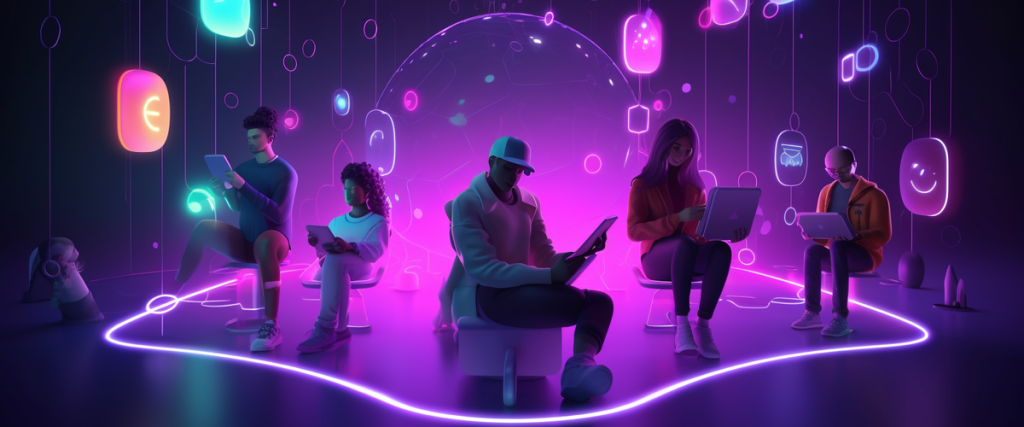
The New Work Models
Hybrid Work
Hybrid arrangements — a blend of remote and in-office work — are becoming standard in many industries. They offer flexibility but require strong communication and culture-building efforts.
Remote-First Organizations
Some companies have eliminated physical offices entirely, cutting costs and attracting talent from across the globe. The challenge lies in maintaining connection and collaboration in a purely digital environment.
Gig & Freelance Economy
Independent contracting is on the rise, giving businesses access to specialized skills on-demand while providing workers with autonomy and varied experiences.
Skills for the Future
Digital Fluency
Basic tech literacy is no longer enough. Professionals must be able to adapt to emerging tools quickly and understand how to leverage data-driven insights.
Automation cannot replicate human empathy, relationship-building, and conflict resolution — all critical in leadership and collaboration.
Lifelong Learning
The shelf-life of skills is shrinking. Continuous upskilling is no longer optional but essential.
The Human Side of the Future of Work
Mental Health & Well-being
Burnout has reached epidemic levels. Businesses must address mental health openly, offering resources and flexibility to support employee resilience.
Purpose & Meaning
Employees seek roles that align with their values. Purpose-driven work improves retention and engagement.
Preparing for What’s Next
- Invest in Technology – Ensure your teams have the tools to succeed in a digital-first environment.
- Prioritize Skills Development – Encourage continuous learning and training programs.
- Embed Flexibility in Culture – Empower teams to choose how they work best.
- Foster Inclusive Leadership – Diverse perspectives drive innovation and adaptability.
The future of work is not a destination but an evolving journey. Organizations that embrace flexibility, technology, and human-centered leadership will thrive. Those that resist change risk being left behind in a world that refuses to stand still.


Comments are closed