
Youth development is the foundation of long-term success in sports, shaping the athletes, leaders, and role models of tomorrow. Early engagement in sports nurtures physical abilities, cognitive skills, and emotional intelligence, providing young participants with opportunities to develop discipline, teamwork, and resilience. Effective youth development programs integrate training, education, mentorship, and competition, ensuring that talent is identified, cultivated, and supported throughout critical stages of growth.
Physical development is a core component of youth sports. Structured training programs focus on building fundamental motor skills, strength, endurance, and agility, tailored to the age and abilities of participants. Emphasis is placed on proper technique, injury prevention, and overall health, allowing young athletes to develop safely while maximizing their potential. Early exposure to diverse sports activities promotes versatility, coordination, and adaptability, which are essential for long-term athletic performance.
Beyond physical conditioning, youth sports foster cognitive and emotional growth. Participation teaches goal setting, strategic thinking, decision-making, and problem-solving, as athletes navigate complex game situations. Emotional intelligence is cultivated through experiences that require handling success and failure, managing stress, and collaborating with teammates. These skills contribute to personal development, academic performance, and social interactions, demonstrating that sports have value beyond the playing field.
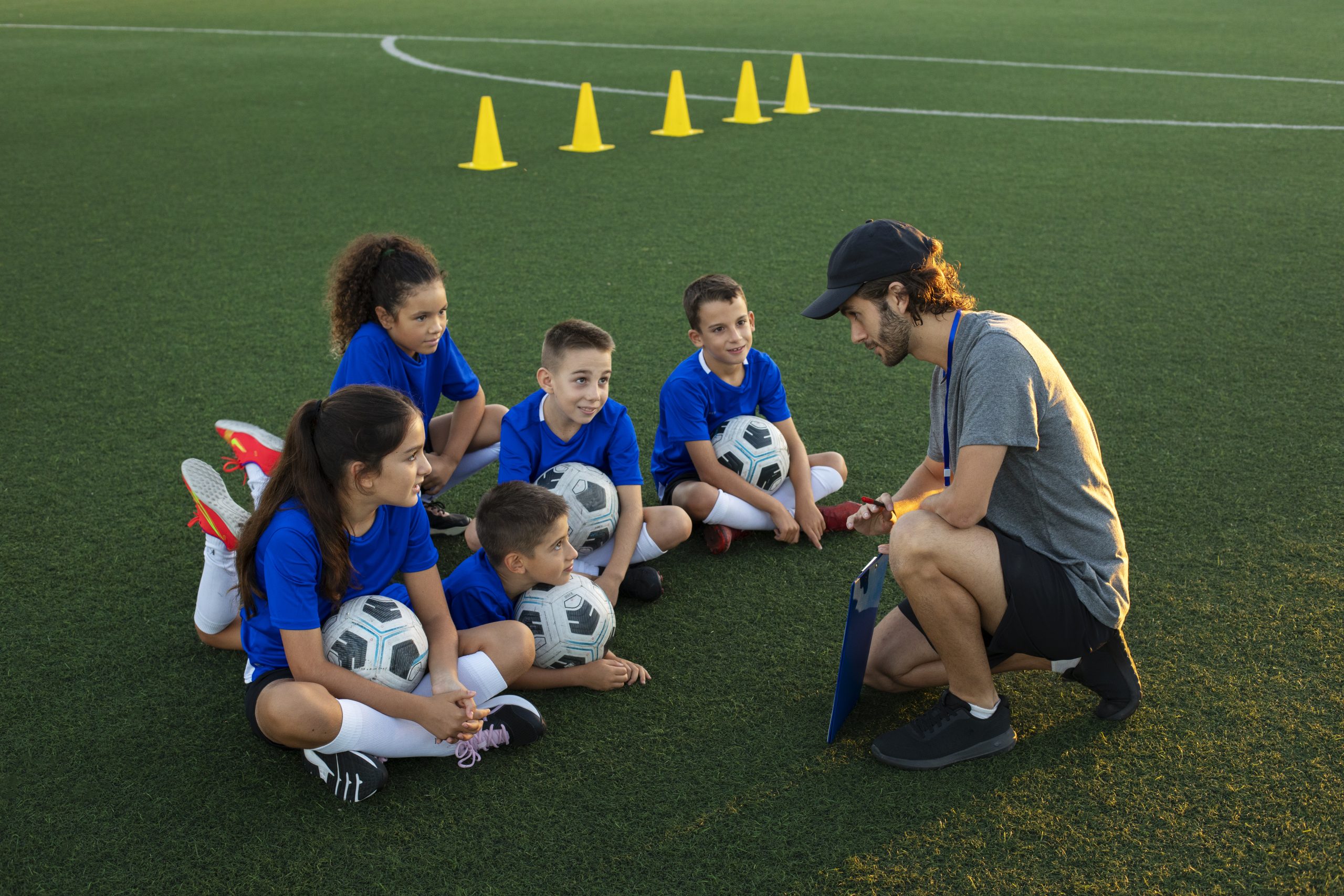
Structured mentorship and coaching are essential for effective youth development. Coaches provide technical guidance, motivational support, and role modeling, shaping both performance and character. Positive coaching relationships instill confidence, discipline, and a growth mindset, empowering young athletes to embrace challenges and learn from setbacks. Mentorship programs often pair experienced athletes or professionals with youth participants, creating opportunities for guidance, inspiration, and career insight.
Access to quality facilities and resources is a critical factor in nurturing talent. Safe training environments, appropriate equipment, and organized programs enable consistent practice, skill development, and competitive exposure. Youth sports organizations increasingly leverage community partnerships, schools, and local clubs to expand accessibility and ensure that socio-economic barriers do not limit participation. Equitable access to resources promotes diversity, inclusivity, and broader talent discovery.
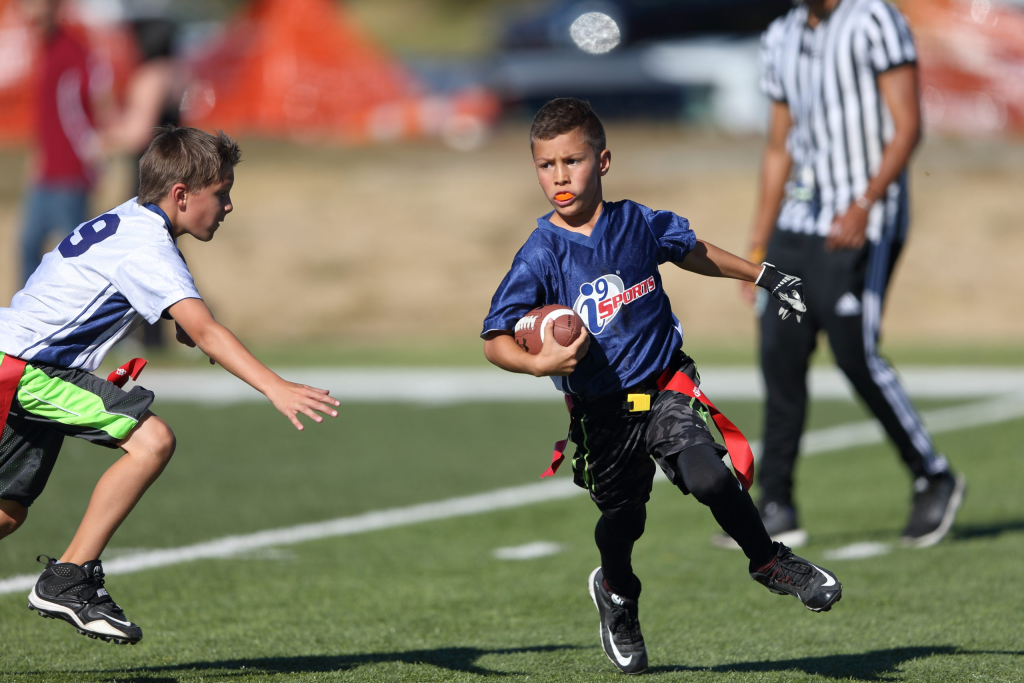
Competitive opportunities are vital for development, offering young athletes the chance to apply skills, test strategies, and measure progress. Age-appropriate tournaments, leagues, and camps provide structured competition while emphasizing sportsmanship, teamwork, and fair play. Exposure to competition at varying levels encourages adaptability, resilience, and motivation, preparing athletes for higher-level challenges as they progress in their sporting journey.
Nutrition, health education, and psychological support are integral to holistic youth development. Proper diet and hydration ensure that young athletes maintain energy, support growth, and prevent injury. Educational programs on wellness, sleep, and mental health provide a foundation for sustainable performance and overall well-being. Sports psychology techniques, adapted for youth, help manage pressure, build confidence, and cultivate a positive attitude toward challenges and setbacks.
Talent identification and scouting are increasingly systematic in youth sports. Organizations implement structured assessment protocols to recognize potential early, focusing on physical, cognitive, and psychological attributes. Once identified, athletes receive tailored development plans, specialized coaching, and exposure to advanced competition. Early identification enables more efficient allocation of resources and accelerates progress toward elite performance, ensuring that promising talent is nurtured effectively.
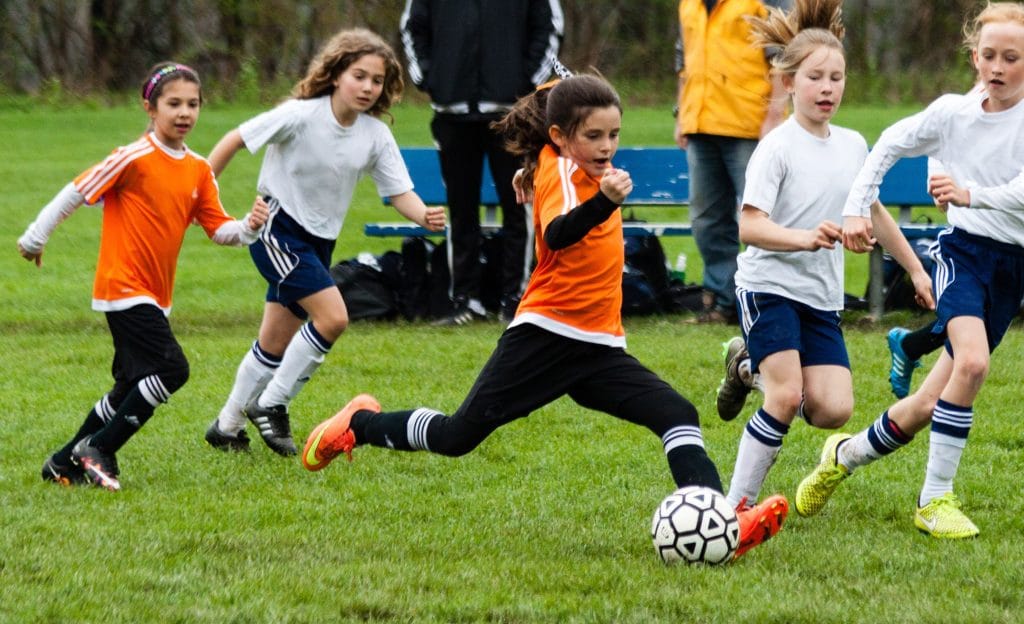
Youth sports also promote inclusivity and social cohesion. Participation transcends gender, cultural, and socio-economic barriers, providing opportunities for interaction, understanding, and shared achievement. Programs that emphasize equal access, diversity, and respect cultivate a sense of belonging and community, empowering youth to engage confidently both within and beyond sports. These social benefits reinforce the role of sports as a vehicle for personal and societal development.
Long-term athlete development models prioritize progression, sustainability, and balance. Training, competition, and recovery are carefully structured to support growth stages, prevent burnout, and encourage continued engagement. By integrating education, mentorship, and skill-building with physical training, youth programs aim to produce well-rounded athletes who excel in performance while maintaining health, character, and passion for the sport. This holistic approach ensures that young athletes can pursue their ambitions while fostering a lifelong relationship with physical activity.
In conclusion, youth development in sports is crucial for cultivating the champions, leaders, and role models of the future. Through structured training, mentorship, competition, and holistic support, young athletes develop physical abilities, cognitive skills, and emotional resilience. Accessible programs, quality coaching, and inclusive practices ensure that talent is nurtured equitably, while fostering social cohesion and personal growth. By investing in youth development, sports organizations and communities lay the foundation for sustained excellence, inspiring the next generation to achieve greatness on and off the field.


Comments are closed