
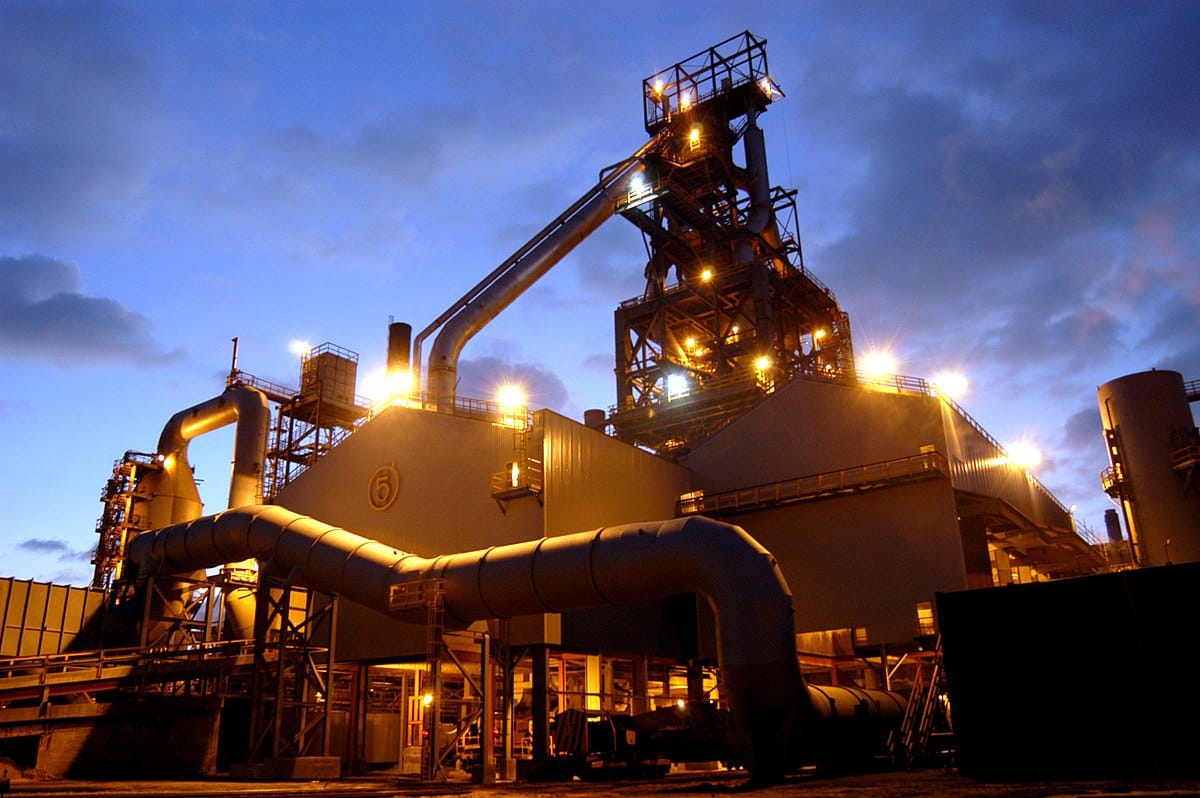
While digital transformation is often associated with tech companies, traditional industries such as manufacturing, agriculture, healthcare, and construction are undergoing rapid digitization. The integration of digital tools is no longer optional — it’s a requirement for efficiency, competitiveness, and resilience.
Why Traditional Industries Are Going Digital
- Efficiency Gains: Automation reduces manual labor and errors.
- Data-Driven Decisions: Analytics improve forecasting and risk management.
- Market Demands: Customers expect faster, more personalized service.
Key Technologies Driving Change
Internet of Things (IoT)
IoT sensors track everything from machine performance in factories to soil conditions in farms.
Artificial Intelligence (AI)
Predictive maintenance, quality control, and demand forecasting.
Cloud Computing
Enables remote work, collaboration, and scalable infrastructure.
Blockchain
Provides transparency and traceability in supply chains.
Implementation Challenges
- Legacy Systems: Outdated infrastructure may be incompatible with new tools.
- Change Management: Employee resistance to new technology.
- Cybersecurity Risks: Increased digital presence requires stronger protection.
Steps to a Smooth Digital Transformation
- Start Small — Pilot projects reduce risk.
- Train Employees — Skills development ensures adoption.
- Measure Impact — Track efficiency, cost savings, and revenue changes.
Digital transformation empowers traditional industries to remain competitive in a rapidly evolving economy. Companies that embrace the change can increase efficiency, reduce costs, and unlock new revenue streams.


Comments are closed