
The rise of digital media has transformed public relations, expanding its scope, tools, and impact on organizational communication. Traditional PR relied heavily on press releases, media briefings, and personal relationships with journalists. While these elements remain relevant, the proliferation of digital channels has created new opportunities and challenges for PR professionals, requiring a strategic, multi-channel approach to engage audiences, shape perception, and manage reputation in real time.
Digital media has democratized communication, giving audiences unprecedented access to information and platforms to voice opinions. Blogs, social media, podcasts, video-sharing sites, and online news portals enable organizations to reach global audiences instantly. PR strategies must now consider not only the content but also the medium, timing, and context of messaging. A well-crafted message may be amplified across multiple digital channels, but poor execution can lead to rapid dissemination of misinformation, negative commentary, or reputational damage. This dynamic environment demands that PR professionals remain agile, responsive, and technologically proficient.
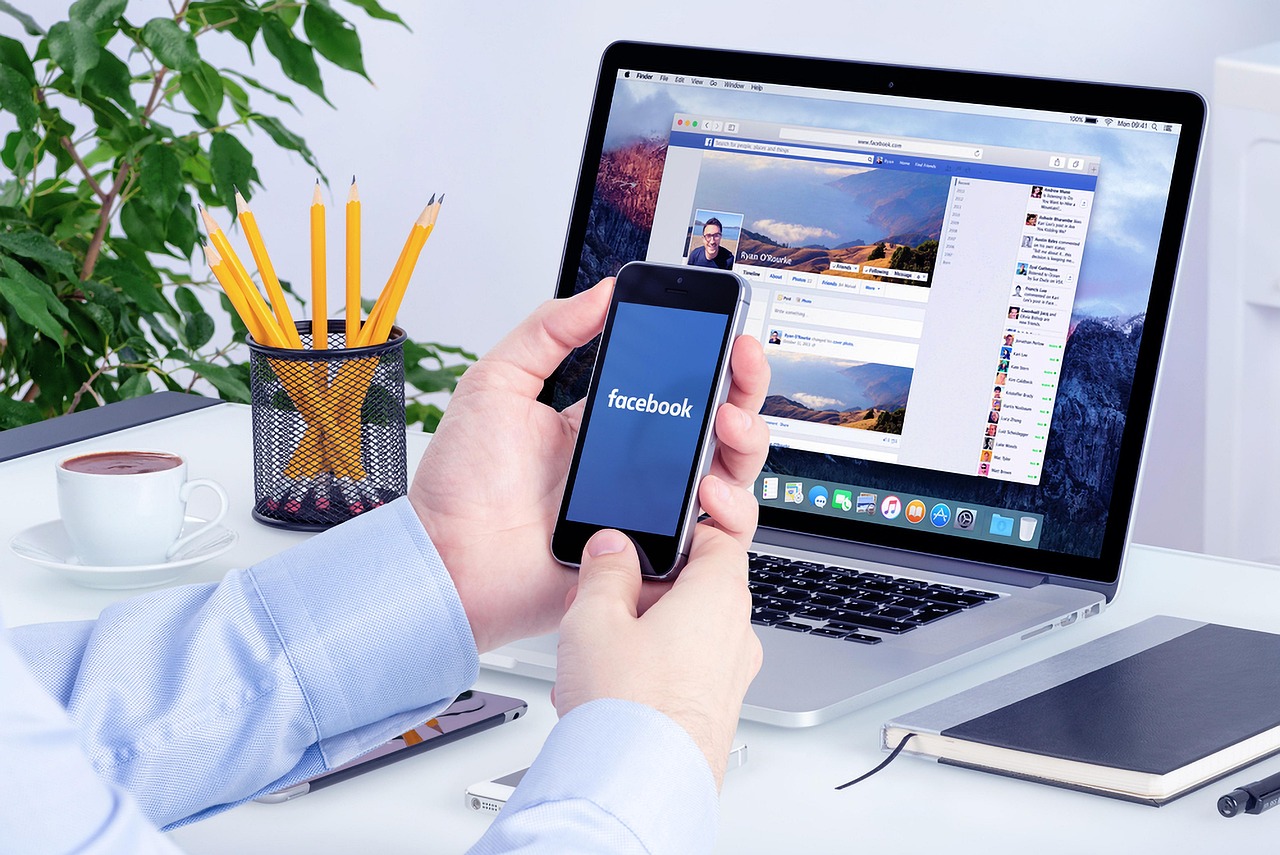
Social media platforms are particularly influential in shaping modern PR. These channels facilitate direct interaction with audiences, allowing organizations to convey messages, respond to feedback, and cultivate community engagement. Unlike traditional media, which offered limited immediacy and one-way communication, social media requires continuous monitoring, timely responses, and authentic engagement. PR campaigns are increasingly designed to leverage social media trends, hashtags, and multimedia content, ensuring visibility while fostering interaction and dialogue with stakeholders.
Content strategy has become central to digital PR. High-quality, informative, and engaging content drives visibility, enhances credibility, and encourages sharing. Blog posts, videos, infographics, and interactive features enable organizations to present narratives in diverse formats tailored to specific audiences. Consistency in messaging across platforms reinforces brand identity, while data analytics inform which content types and messages resonate most effectively. By integrating storytelling with digital strategy, PR professionals can create campaigns that influence perception, build trust, and achieve measurable results.

Digital media also enhances crisis management in PR. Real-time monitoring of online conversations allows organizations to identify emerging issues, assess public sentiment, and respond proactively. Social listening tools and analytics provide insights into audience reactions, enabling PR teams to adjust messaging, clarify information, and mitigate reputational risk. In the fast-paced digital landscape, the ability to act quickly and transparently is critical, as a delay or misstep can escalate into widespread negative attention within hours.
Influencer partnerships have become an important component of digital PR. Collaborating with individuals who have established credibility and reach on social platforms allows organizations to amplify messages, reach niche audiences, and enhance authenticity. Effective influencer engagement requires careful alignment with brand values, audience demographics, and campaign objectives. When executed strategically, such partnerships strengthen message impact and foster trust, while poorly managed collaborations can backfire, highlighting the need for meticulous planning and oversight.
Measurement and analytics are key advantages of digital PR. Unlike traditional PR, where outcomes were often qualitative, digital platforms provide measurable metrics such as engagement rates, impressions, click-throughs, sentiment analysis, and audience demographics. These insights enable PR professionals to refine campaigns, allocate resources efficiently, and demonstrate return on investment. Data-driven decision-making ensures that strategies are not only creative but also impactful, allowing for continuous improvement and evidence-based validation of PR efforts.
Digital media has also changed media relations. Journalists and content creators now operate across online platforms, necessitating tailored approaches to outreach. Press releases, pitches, and story ideas must be adapted for digital consumption, often incorporating multimedia assets, hyperlinks, and social sharing options. PR professionals must cultivate relationships not only with traditional media but also with bloggers, online journalists, and content creators who influence digital discourse, expanding the reach and effectiveness of campaigns.

The global reach of digital media enables organizations to communicate with diverse audiences across geographic and cultural boundaries. Localization, cultural sensitivity, and adaptation to regional digital habits are essential for effective messaging. At the same time, digital channels provide opportunities for organizations to highlight global initiatives, showcase corporate social responsibility, and participate in cross-cultural conversations, reinforcing brand values and positioning organizations as globally aware and socially responsible.
Despite its advantages, digital PR presents challenges. The rapid pace of online discourse, the potential for viral negativity, and the complexities of platform algorithms require constant attention and expertise. Cybersecurity risks, misinformation, and ethical considerations around data usage further complicate strategy. PR professionals must balance immediacy with accuracy, innovation with consistency, and engagement with ethical responsibility, ensuring that digital initiatives support long-term reputation and credibility.
In conclusion, digital media has fundamentally reshaped public relations, transforming how organizations communicate, engage, and manage reputation. Social platforms, online content, influencer collaborations, and data analytics have expanded the reach and precision of PR strategies, enabling real-time engagement and measurable impact. At the same time, the dynamic and transparent nature of digital media demands agility, authenticity, and strategic foresight. Organizations that embrace digital PR as an integrated, adaptive, and data-informed practice are well-positioned to navigate modern communication landscapes, strengthen stakeholder relationships, and achieve lasting influence in an increasingly connected world.


Comments are closed