

The live entertainment sector has always held a unique place in cultural life, offering audiences experiences that combine music, art, and community. In recent years, music festivals and live performances have experienced a remarkable resurgence, driven by a renewed appetite for shared experiences and immersive events. These gatherings provide not only entertainment but also a sense of connection, cultural engagement, and emotional release that cannot be replicated through digital screens. The revival of live events has had a profound impact on the entertainment industry, influencing economic models, artist careers, audience behavior, and the integration of technology into performance spaces.
Music festivals have evolved far beyond simple gatherings to celebrate popular music. They have become multi-dimensional experiences, blending concerts with interactive art installations, culinary experiences, wellness activities, and immersive environments. This expansion has created opportunities for diverse revenue streams, including ticketing, merchandise, brand partnerships, and premium experiences. Festival organizers now design events with a holistic approach, recognizing that audience engagement extends beyond the performance itself and encompasses the entire environment, from visual design to logistical convenience.
The return of live performances has provided artists with new avenues for creative expression. While recorded music remains essential for revenue and global reach, performing live allows artists to experiment with stage design, storytelling, and audience interaction in ways that are impossible in studio recordings. These performances also create moments of spontaneity, improvisation, and audience connection, which can elevate the emotional impact of music. For emerging artists, festivals serve as crucial platforms for exposure, allowing them to reach diverse audiences and build fanbases that extend beyond geographical boundaries.
Economic considerations play a critical role in the resurgence of live entertainment. The festival and concert sectors generate substantial revenue, not only for artists but also for local economies. Hotels, restaurants, transportation services, and tourism infrastructure benefit significantly from these gatherings, creating a ripple effect that extends far beyond ticket sales. Organizers and artists increasingly recognize the importance of strategic partnerships with sponsors, community stakeholders, and media outlets, which provide financial stability while enhancing the overall attendee experience. This economic impact underscores the broader societal value of live entertainment.
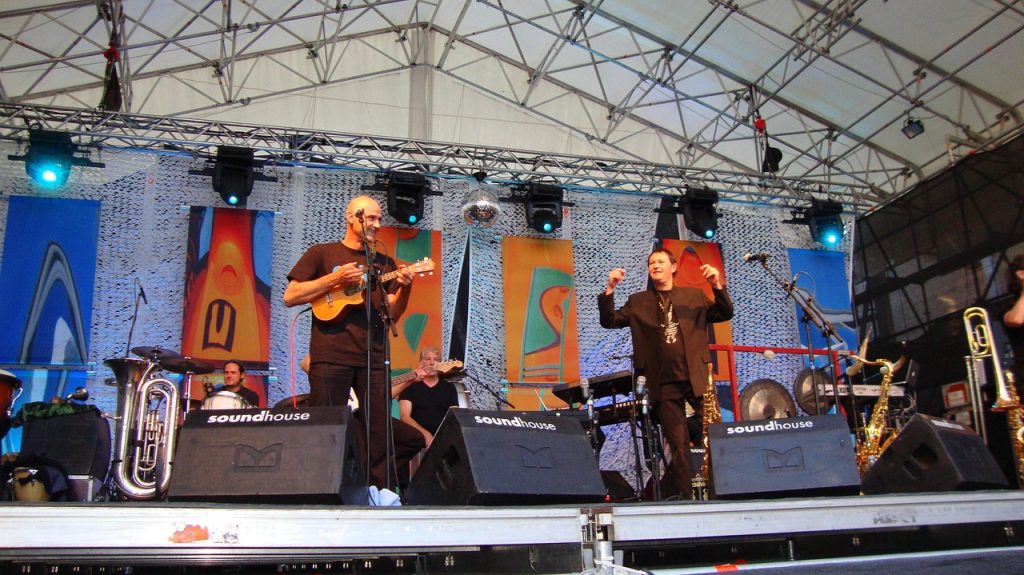
Audience behavior has shifted in response to this resurgence. Live events are no longer solely about watching a performance—they are immersive social experiences that foster community and shared memory. Attendees often plan travel, document their experiences on social media, and engage with festival-specific culture through fashion, art, and participatory activities. The anticipation and post-event sharing have become integral to the festival experience, extending its influence beyond the physical venue. Festivals have also embraced inclusivity, offering diverse lineups and programming that reflect the evolving tastes and values of global audiences.
Technology has become a defining feature of modern live entertainment. Innovations in stage design, lighting, sound engineering, and interactive elements have elevated the sensory impact of performances. Live streaming and hybrid events have further expanded access, allowing audiences unable to attend in person to participate virtually. Augmented reality experiences, real-time audience interaction, and app-based engagement create dynamic environments where the audience is an active participant rather than a passive observer. Technology, therefore, enhances both accessibility and creative potential, redefining the boundaries of live performance.
Safety, sustainability, and accessibility have become central concerns in the planning and execution of festivals. Organizers now integrate crowd management strategies, medical readiness, and security measures to ensure attendee wellbeing. Environmental responsibility has also emerged as a key consideration, with efforts to reduce waste, carbon footprint, and energy consumption at events. Inclusivity initiatives, such as accommodations for differently-abled attendees and gender-neutral facilities, further reinforce the commitment to creating welcoming and equitable experiences. These measures reflect a growing awareness of the social responsibilities associated with large-scale entertainment events.
The cultural impact of live entertainment cannot be overstated. Festivals and performances often serve as platforms for social commentary, artistic experimentation, and cultural exchange. They celebrate diversity in music genres, visual arts, and performance styles, fostering cross-cultural dialogue and appreciation. In addition, live entertainment can spotlight emerging social issues, inspire activism, and encourage community engagement. Through collective experiences, audiences develop a sense of identity, belonging, and cultural literacy that extends beyond the event itself.
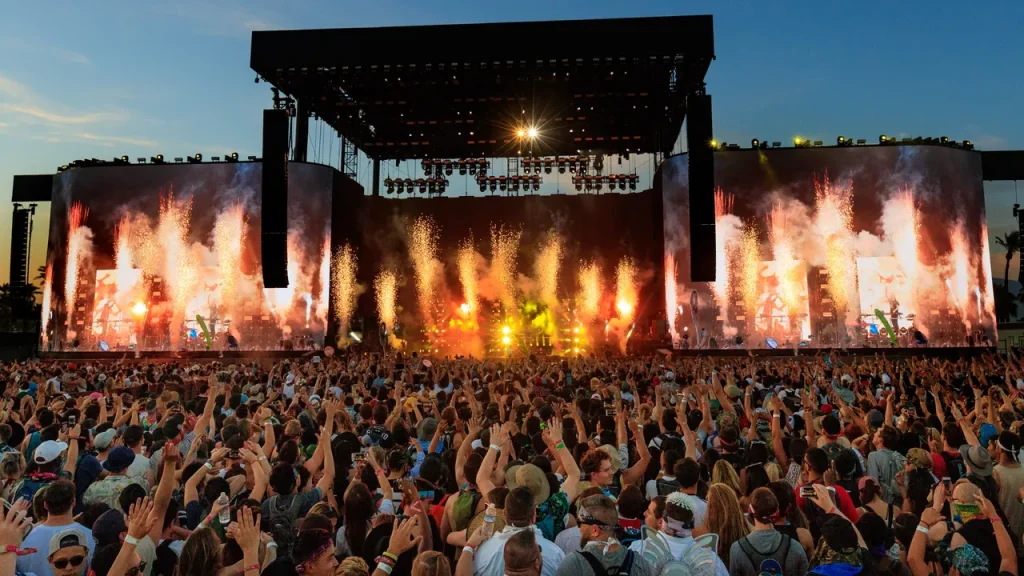
Challenges persist despite the positive trajectory. High production costs, logistical complexities, weather dependencies, and competition for audience attention demand meticulous planning and innovation. Event organizers must balance commercial viability with artistic integrity, audience satisfaction, and safety. Economic fluctuations, regulatory constraints, and global disruptions such as pandemics further complicate the landscape. Nevertheless, the enduring appeal of live experiences, combined with adaptive strategies and technological enhancements, ensures the continued growth and relevance of this sector.
Looking ahead, the future of music festivals and live performances promises continued evolution. Hybrid models that combine in-person and digital participation, immersive thematic experiences, and personalized engagement will likely become standard. Artists will experiment further with narrative-driven performances, interactive technology, and multisensory storytelling. Audiences will continue to seek authenticity, connection, and memorable experiences, driving innovation in programming, design, and service delivery. Festivals and performances will remain cultural touchstones, offering a blend of entertainment, community, and artistic exploration.
In conclusion, the resurgence of music festivals and live performances reflects a profound shift in how audiences engage with entertainment. Beyond music, these events create immersive experiences, foster community, and generate economic and cultural value. Technological innovation, inclusivity, and sustainability have enhanced their appeal, while challenges are met with strategic planning and creative problem-solving. As live entertainment continues to evolve, it will remain a vital component of the cultural landscape, offering audiences unforgettable experiences and shaping the future of artistic expression.


Comments are closed