
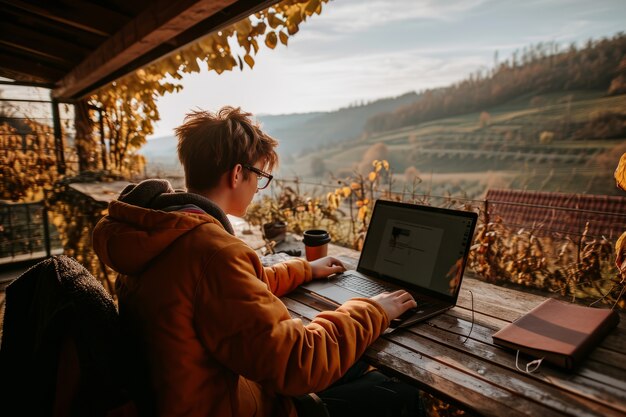
Over the past few years, the way we work has undergone a dramatic transformation. What was once an occasional perk for select employees—working from home—has now become a global phenomenon, opening the doors to a completely new way of living: digital nomadism. This shift is not merely a workplace policy update; it represents a deep cultural and economic change that will shape the future of work for decades to come.
The Rise of Remote Work
Remote work emerged out of necessity during global crises, but it has since evolved into a preferred option for millions of professionals. Technological advancements—such as high-speed internet, project management platforms, and instant communication tools—have enabled teams to collaborate effectively without being tied to a physical office. The concept of “work” has shifted from a location to an activity. Many companies have realized that productivity can be maintained, or even enhanced, without the overhead costs of maintaining large office spaces. As a result, businesses are increasingly offering hybrid or fully remote positions as a standard part of their operations.
From Remote Work to Digital Nomadism
While remote work allows employees to work from their homes, digital nomadism takes the concept further. Digital nomads are professionals who use their freedom to work from anywhere, often traveling across cities, countries, and even continents. They blend work with exploration, staying in one location for a few weeks or months before moving on. This lifestyle offers the allure of seeing the world without sacrificing career growth. Popular destinations such as Bali, Lisbon, and Mexico City have seen an influx of such workers, prompting local economies to adapt by creating co-working spaces, short-term rental options, and visa programs tailored to remote professionals.
Economic and Cultural Impact
Digital nomadism brings unique benefits to the places these workers visit. Local businesses benefit from increased spending on housing, dining, and leisure activities. At the same time, cultural exchange becomes a natural part of the experience. Nomads often integrate into communities, sharing skills, learning languages, and creating cross-cultural collaborations. However, it also presents challenges, such as potential rises in living costs for local residents and the risk of creating transient communities with limited local engagement. Balancing these factors will be key for countries and cities aiming to attract remote workers while protecting local interests.
Technology as the Backbone
The future of remote work and digital nomadism relies heavily on technology. Cloud-based services, AI-powered productivity tools, and advanced communication platforms enable seamless collaboration across time zones. Virtual reality (VR) and augmented reality (AR) are already being tested for virtual meetings, creating immersive workspaces that simulate in-person collaboration. Cybersecurity, too, has become a crucial focus, as remote workers often use public networks that require strong digital protection measures. Companies investing in secure, efficient remote infrastructure will be better positioned to thrive in this new landscape.

Work-Life Balance and Mental Health
One of the most celebrated aspects of remote work is the potential for improved work-life balance. Without lengthy commutes, employees can reclaim hours for personal activities, family, and rest. For digital nomads, this balance often extends to incorporating leisure and travel into daily routines. However, the blurring of boundaries between work and personal life can lead to burnout if not managed carefully. Setting clear work hours, creating dedicated workspaces, and practicing mindfulness are essential for maintaining mental well-being in a remote setting.
Challenges and Realities
Despite the appeal, remote work and digital nomadism are not without their challenges. Time zone differences can complicate team collaboration, especially in global organizations. Social isolation is another concern, particularly for those who thrive on in-person interactions. For digital nomads, frequent travel can be exhausting, and visa limitations can complicate long-term planning. Furthermore, some industries and roles simply cannot be adapted to remote formats, meaning this lifestyle is not universally accessible.
Government and Policy Adaptations
Recognizing the growing demand for location-independent work, many governments have started introducing “digital nomad visas,” allowing foreign professionals to live and work in their countries legally for extended periods. These visas often come with requirements such as proof of income, health insurance, and compliance with tax regulations. This development signals an acknowledgment that the future workforce is increasingly mobile and that attracting these workers can benefit national economies. At the same time, policymakers must consider the social and environmental impacts of this trend.
The Evolution of the Workplace
In the coming years, we can expect a hybrid model to dominate the professional landscape. Some organizations will maintain physical offices but allow flexible attendance, while others will operate entirely online. Co-living and co-working spaces will become more common, providing infrastructure for both locals and traveling professionals. Education systems may also adapt, offering more virtual learning options to accommodate the children of traveling families, further reinforcing the viability of this lifestyle.
Sustainability in the Remote Work Era
As digital nomadism grows, so too does the need to address its environmental footprint. Air travel, in particular, contributes significantly to carbon emissions. Some remote workers are opting for slower travel methods, such as trains or extended stays in one location, to reduce their environmental impact. Companies, too, are exploring carbon offset programs and sustainable travel policies as part of their corporate responsibility initiatives. A future-conscious approach to remote work must consider not only economic benefits but also environmental sustainability.
Looking Ahead
The shift toward remote work and digital nomadism reflects a broader transformation in how we define success, career fulfillment, and personal freedom. It offers an unprecedented opportunity to design lives that align with individual values, whether that means spending more time with family, exploring the globe, or simply working in a more comfortable and productive environment. While challenges remain, the momentum behind this movement is undeniable. As technology advances, governments adapt, and cultural perceptions evolve, remote work and digital nomadism are poised to become integral parts of the modern professional world.
Ultimately, under the same sky, people from vastly different backgrounds can now collaborate in real time, share ideas, and build meaningful connections—without being bound by borders. This interconnectedness has the power to reshape not only the way we work but also how we live, travel, and engage with the world. The future of work, in many ways, is already here, and it is as boundless as the sky we all share.


Comments are closed